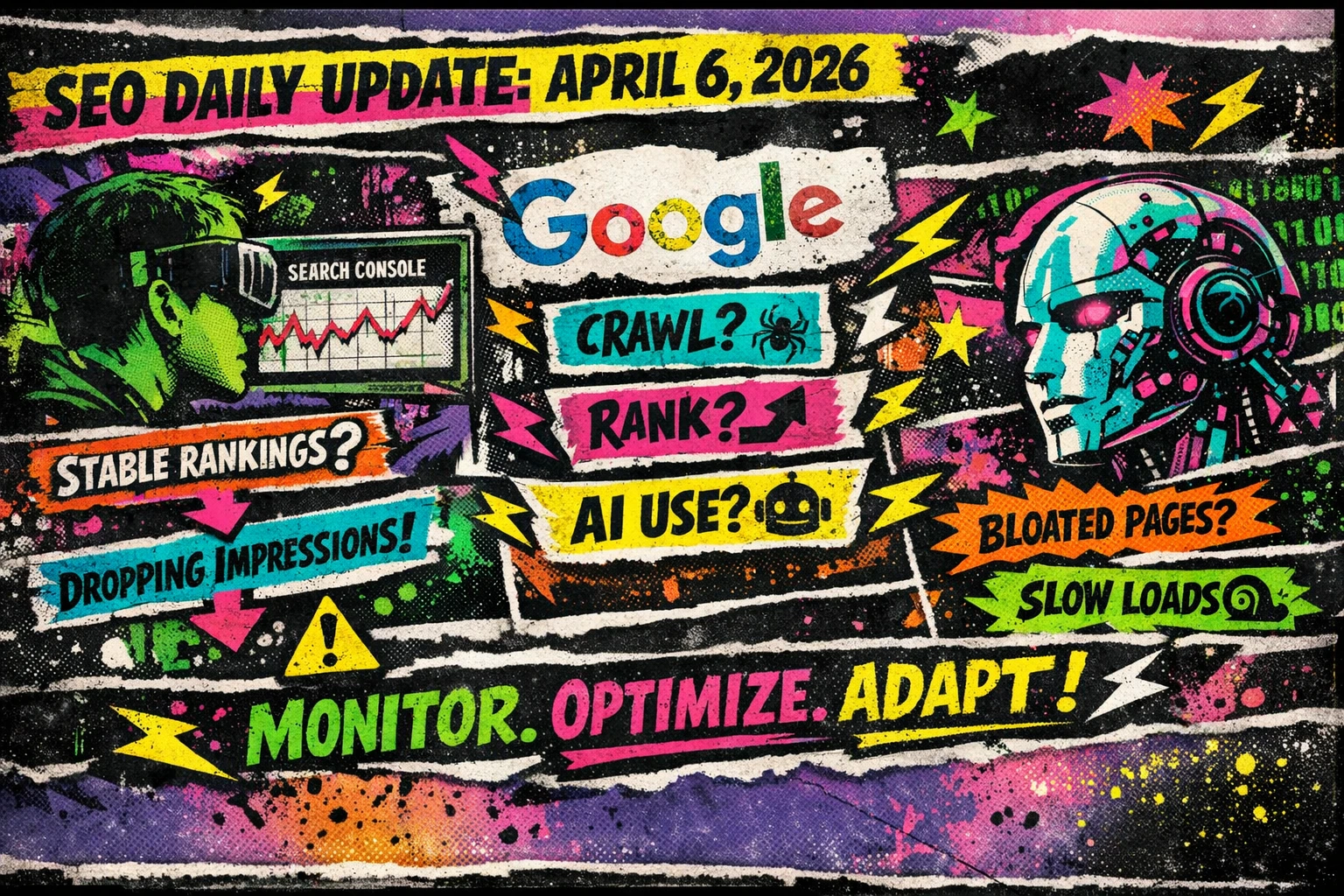
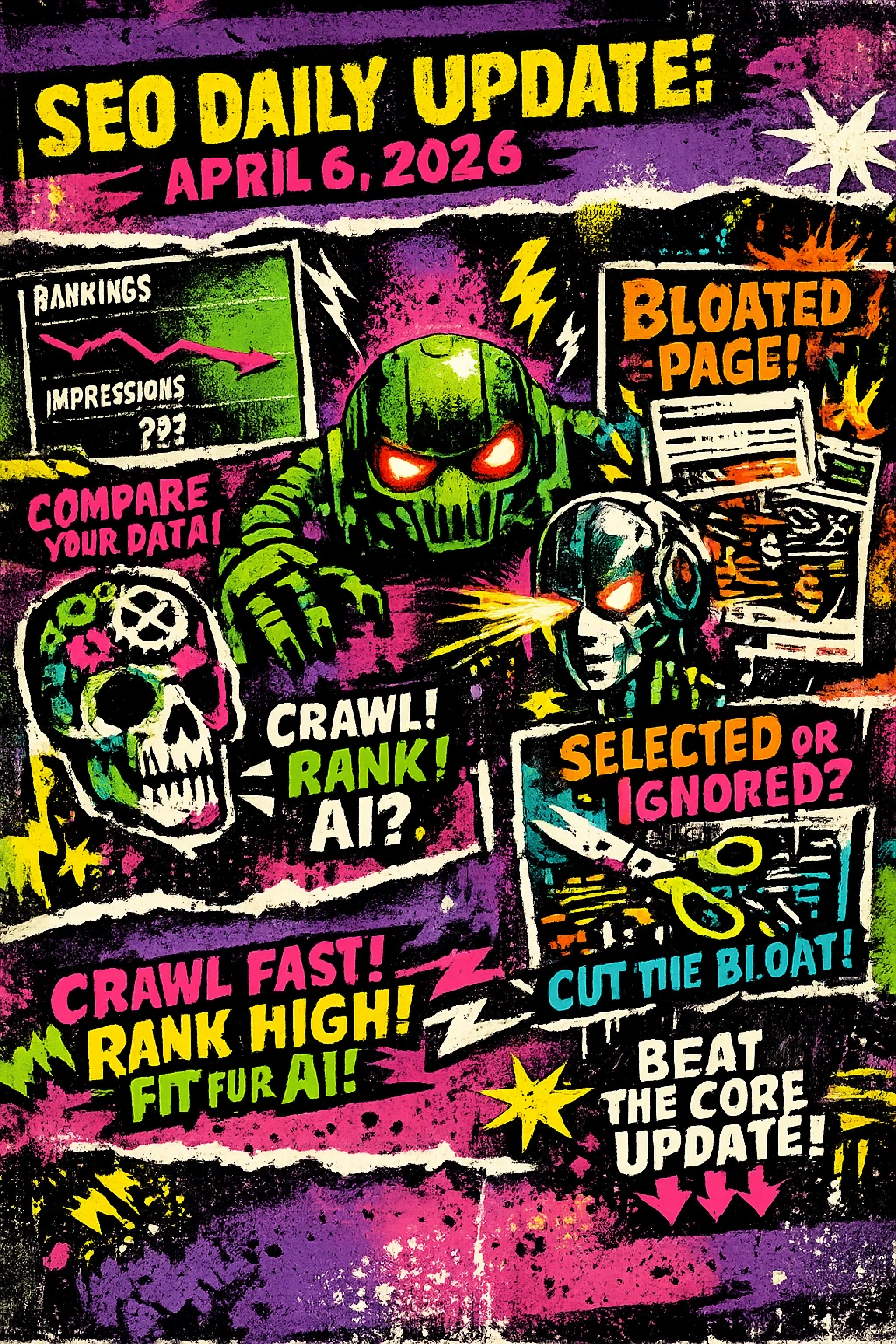
Google has given SEOs a clearer look at how Googlebot actually processes pages.
Google Search Central published Inside Googlebot on Tuesday, March 31, 2026, and the post says Googlebot currently fetches up to 2MB for any individual URL, excluding PDFs. That makes page efficiency far more than a technical nicety. It directly affects how much of a page Google is likely to process during crawling.
Action:
Check your most important templates for bloated code, oversized scripts, and key content buried too far down the page. If your strongest copy, internal links, or trust signals sit behind excess markup, you are making Google work harder to reach the part that actually matters. That recommendation follows from Google’s 2MB fetch limit.
AI search is becoming more embedded in Google’s normal search experience.
In Google’s March AI roundup, published on April 1, 2026, Google said it had expanded Search Live globally to everywhere AI Mode is available, with rollout in more than 200 countries and territories. The bigger signal is that AI-assisted search is no longer being framed as a side experiment. It is being folded into the core search journey.
Action:
Review whether your most important commercial and informational pages are written to survive summary-first search behaviour. If Google is answering, guiding, and refining the journey inside AI Mode, your content has to be clearer, faster to understand, and easier to extract value from without relying on a traditional blue-link click. This is an inference from Google’s expansion of Search Live and AI Mode markets.
PunkFox Take
Google is changing three things at once:
How pages are evaluated
How pages are processed
Where users interact with search through AI
That is why the old habit of only checking rankings keeps getting weaker. A page can hold position, lose impression share during a core update, be harder for Google to process efficiently, and still face a search experience where users get further answers before they ever reach a website.
The businesses that win next will not just monitor where they rank.
They will monitor how Google reads them, how efficiently Google can process them, and whether their content is built to earn visibility inside AI-led search experiences.