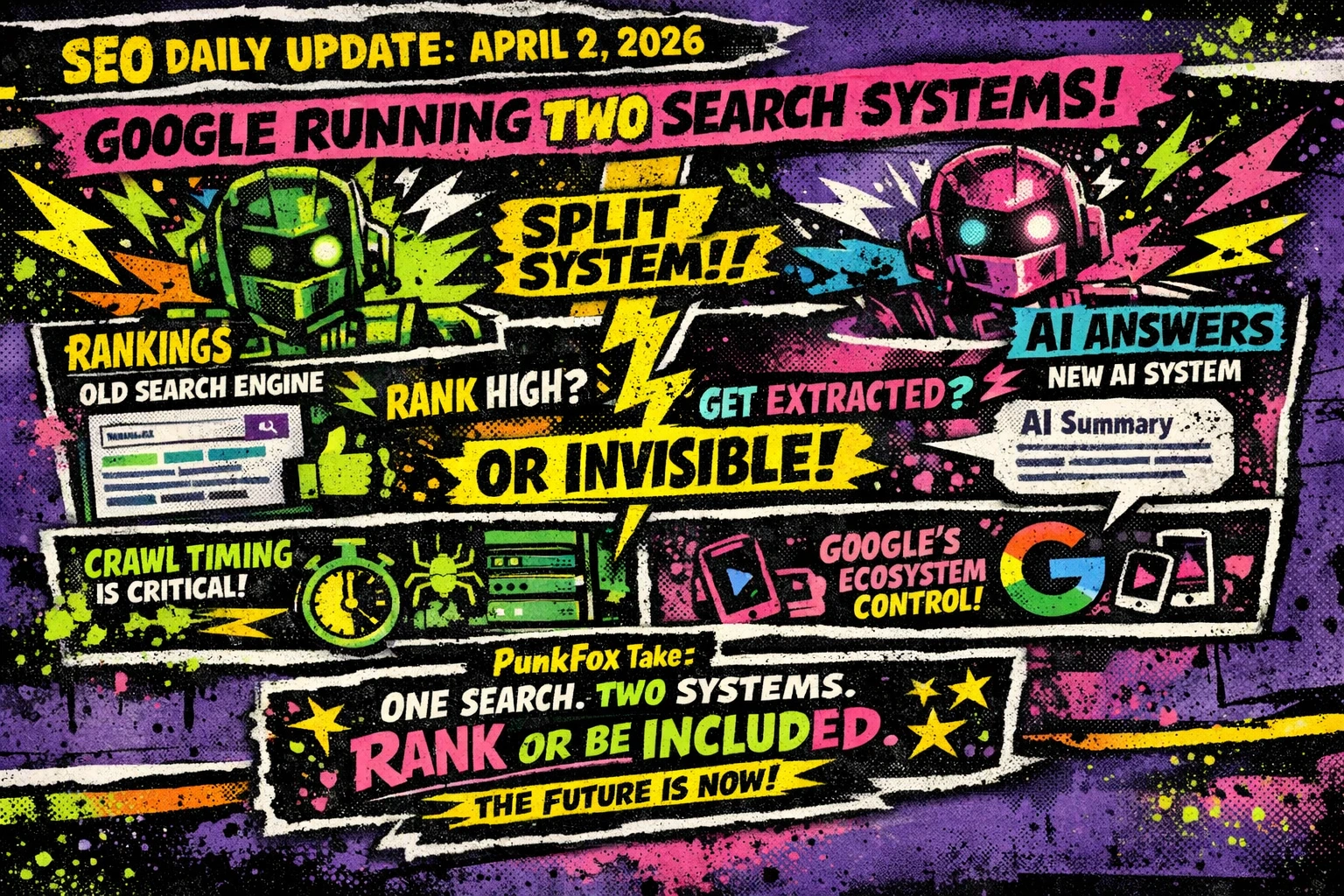
Crawl Timing Is Becoming More Important Than Crawl Frequency
Google appears to be prioritising when content is crawled, not just how often. Pages that are consistently updated, technically clean, and easy to process are being re-evaluated faster, while heavier or stagnant pages fall behind in reprocessing cycles.
This creates a timing gap. Faster-to-process sites are re-entering ranking and AI evaluation loops sooner, while slower sites operate on delayed signals.
Action:
Reduce page bloat, simplify templates, and prioritise key page updates. The faster Google can process your content, the faster you stay competitive.
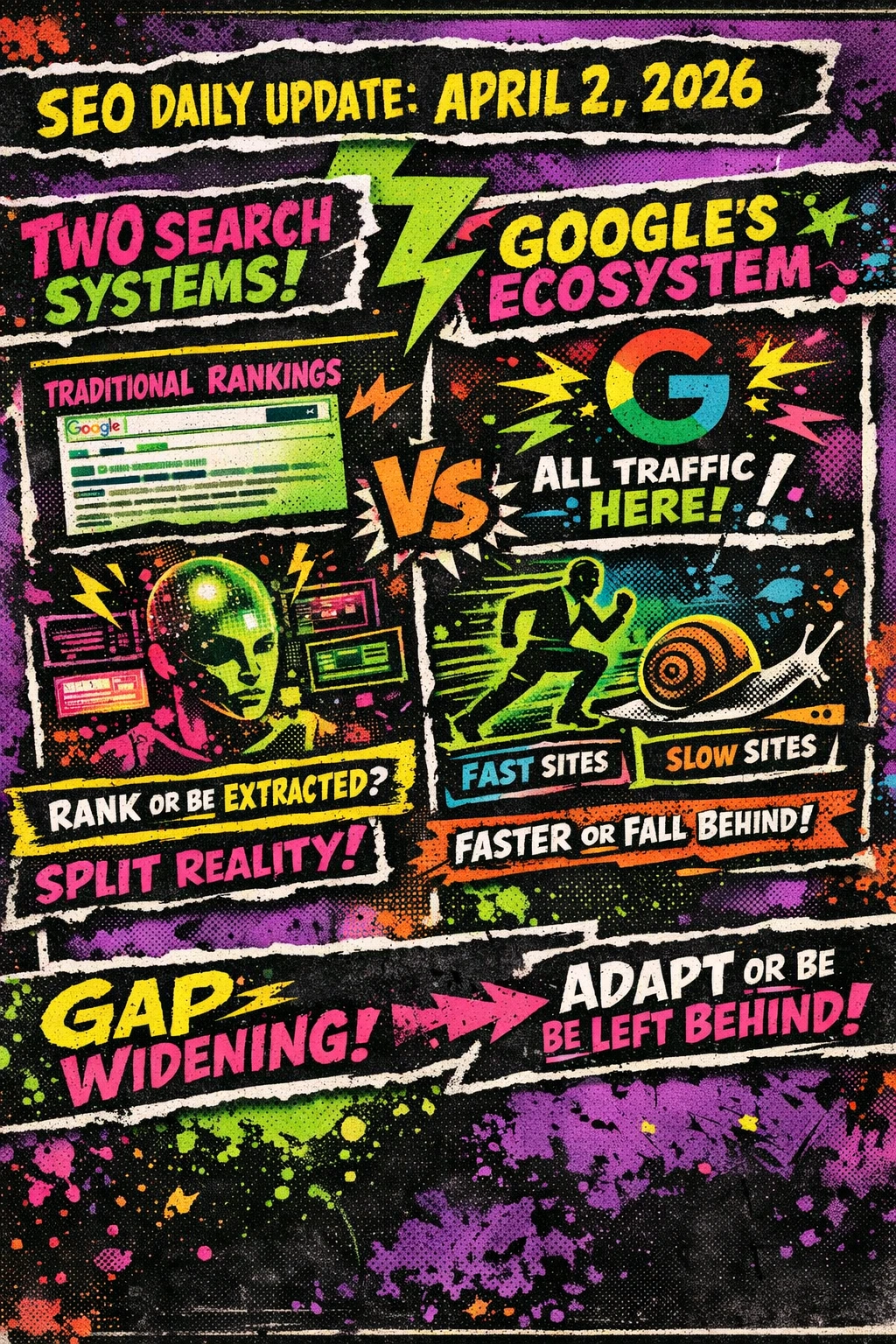
Google Is Consolidating Discovery Inside Its Own Ecosystem
Traffic patterns show that Google is increasingly keeping discovery within its own products, from AI Overviews to Gemini-driven interactions. External AI platforms are still growing, but Google remains the primary gateway where search, answers, and discovery intersect.
This reduces the importance of chasing every AI platform equally. Visibility inside Google’s ecosystem now has a disproportionate impact on traffic and enquiries.
Action:
Focus on visibility where users actually search. Prioritise Google’s surfaces first, then treat external AI platforms as secondary channels.
PunkFox Take
Google is no longer running one search engine.
It is running two systems in parallel.
One ranks pages. The other decides what gets used.
Most businesses are still optimising for the first and ignoring the second.
That is where the gap is opening.
The businesses that win in 2026 will not just rank. They will be included.